
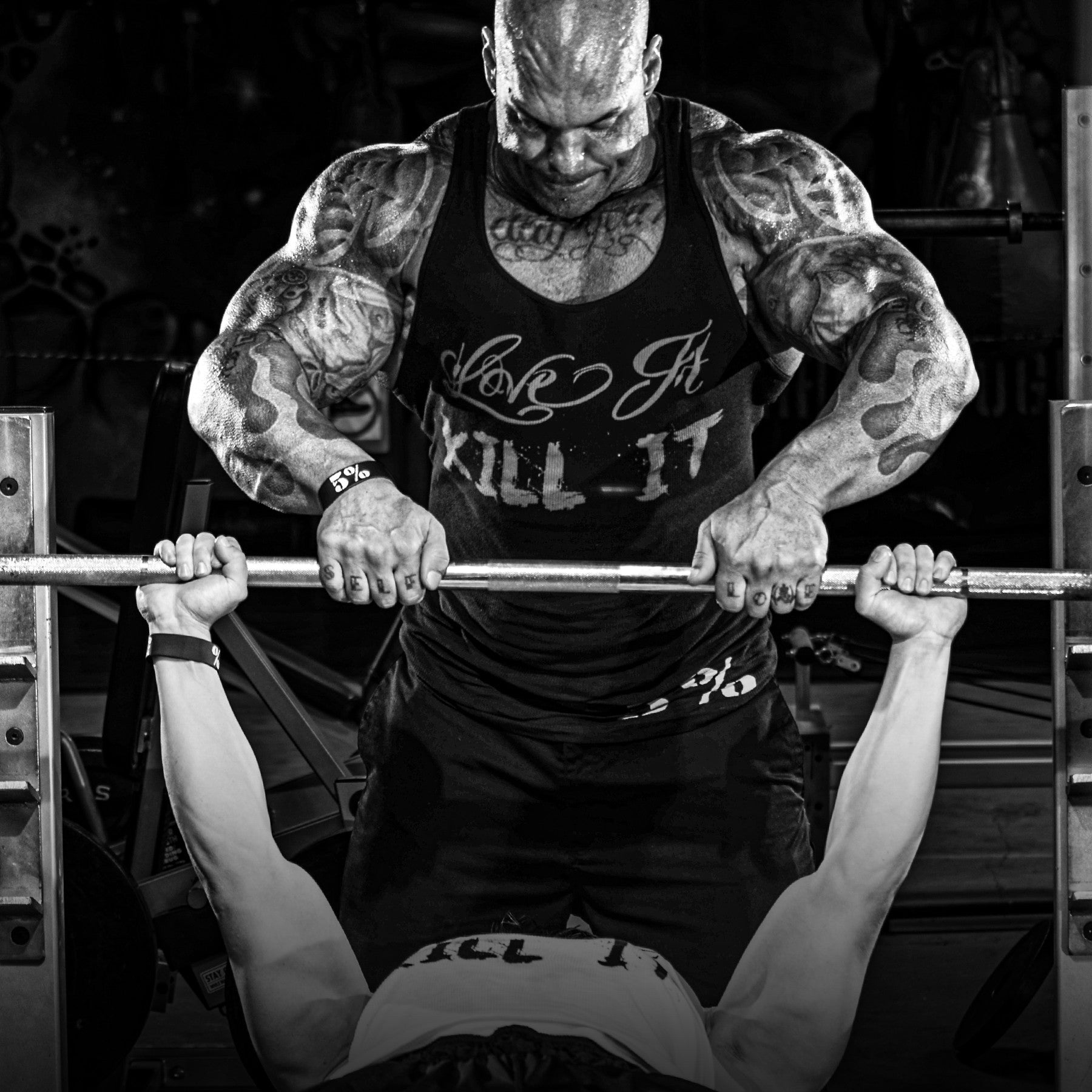

Every serious lifter needs movements that make the target muscle work, not just movements that look impressive on paper. Machine Chest Press belongs in that conversation because it can build chest, front delts, triceps, and pressing stability when it is done with control and placed correctly in the program.
The 5% approach is simple: train hard, but make the hard work count. That means owning the setup, respecting the range of motion, and choosing a load that lets the muscle do the job instead of letting momentum steal the set.
What Are Machine Chest Press?
Machine Chest Press are a training movement built around controlled execution and repeatable tension. Depending on the exercise, they can be used as a primary lift, a secondary builder, or a pump-focused accessory. The goal is not to rush through reps. The goal is to create the right stimulus and repeat it with discipline.
For many lifters, this movement works best when it is treated as a skill. The more consistent your setup becomes, the easier it is to know whether you are actually getting stronger or just changing your form to survive the set.
Muscles And Training Focus
The main training focus is chest, front delts, triceps, and pressing stability. Supporting muscles help stabilize the body, control the joints, and keep the movement path strong. That support matters, but it should not take over the exercise.
If the wrong area is doing most of the work, reduce the load and rebuild the rep. Serious training is not about forcing a movement at all costs. It is about making the right muscles handle the work.
Setup And Execution
Start with the setup: adjust the seat so handles line up near mid-chest, retract the shoulder blades lightly, and keep the feet planted. Before the first rep, brace your midsection, lock in your body position, and decide exactly what range of motion you are going to own.
Move through the rep with purpose. Control the lowering phase, hit the working position without bouncing, and return to the start without relaxing. The best reps look almost identical from the first rep to the last.
Key Cues
- press through the palms.
- keep the shoulders down.
- control the stretch.
- finish with chest tension instead of shoulder takeover.
These cues are not just technical details. They are the difference between meaningful tension and wasted movement. Use them to keep the set honest.
Common Mistakes
- setting the seat too low.
- flaring the elbows without control.
- bouncing out of the stretch.
- turning it into a triceps-only press.
Most mistakes come from impatience. A lifter wants more weight, more reps, or more intensity before the movement is ready. Earn progression by keeping the reps clean.
How To Program Machine Chest Press
A practical starting point is 3 to 4 sets of 8 to 15 reps after free-weight pressing or as a safer high-volume chest option. Use lower reps when the movement is stable and strength-focused. Use moderate to higher reps when the goal is hypertrophy, pump, or clean accessory volume.
Here is a simple way to include it:
- Main compound movement - 3 to 5 hard working sets.
- Machine Chest Press - 3 to 4 sets of 8 to 15 reps after free-weight pressing or as a safer high-volume chest option.
- Secondary accessory - 2 to 4 sets of 10 to 20 reps.
- Pump or stability finisher - 2 to 3 controlled sets.
The 5% Takeaway
Machine Chest Press reward lifters who can check the ego and execute. Rich Piana's message was about doing Whatever It Takes, but that never has to mean sloppy training. Sometimes the most hardcore thing you can do is slow the rep down, make the target muscle work, and refuse to count garbage reps.
Use this movement with purpose, track your performance, and make it part of a bigger plan.
Recovery Reminder
Hard training only works when recovery is handled. Eat enough quality food, stay hydrated, sleep consistently, and give joints the respect they need. Stop if you feel sharp pain, and get qualified coaching when a movement does not feel right.